Survival is not a refusal to change
Older technologies often remain in use because they still solve a problem well. Their persistence may reflect simplicity, ownership, low cost, familiarity, or the fact that they work where a newer system cannot.
A surviving tool does not need to outperform every modern alternative. It only needs to fit a particular person, place, or moment better. These examples are reminders to judge technologies by their conditions of use, not by their age.
Paper keeps its place
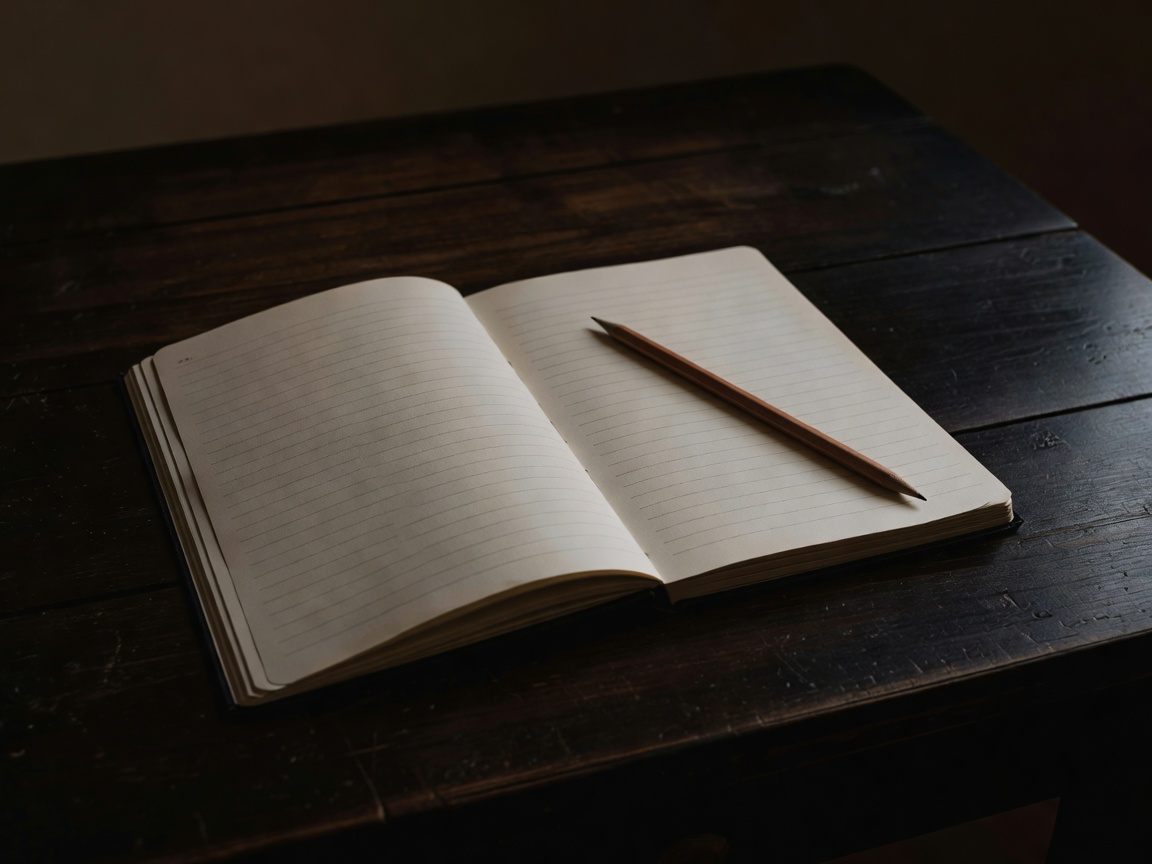
Notes, maps, and printed references
Paper requires no battery, software update, or account. A notebook can be opened quickly, marked freely, and passed between people. Printed references are stable while the edition lasts, though they can become outdated and take physical space. Paper does not automatically sync, search, or back itself up. Its value depends on whether direct access and a physical record matter more than those conveniences.
Mechanical tools stay legible
A hand tool makes its action visible: pressure, movement, and result are connected. A manual can opener or mechanical pencil does not need a charging cable or compatible software. It may require more effort and can be slower, but its operation can remain understandable and repairable. In workshops, kitchens, and emergency kits, that independence can be more useful than automation. A power tool still has a strong case when work is frequent, strenuous, or time-sensitive.
Analog watch
A traditional watch shows time without notifications or network access. It still needs care, and accuracy or convenience may vary by mechanism.
Mechanical typewriter
A typewriter offers a focused writing environment and a tangible page. Editing, sharing, and storing finished work are less flexible than on a computer.
Physical collections make ownership tangible
Books, records, and discs are not automatically better than digital libraries, but they offer a distinct relationship to a collection. A physical copy can be used without a platform login, lent to a friend, or revisited when a service changes its catalogue. It can also be damaged, lost, or difficult to carry. Digital access reduces storage needs and makes searching easier, but may depend on a device, file format, account, or license. People often choose a mix that suits how they listen, read, and keep things.
Keep the tool that fits the task
When a new product arrives, ask what your present tool does adequately and what pain point the replacement would remove. If a newer option adds a meaningful benefit, consider how long it will receive support and whether you can move your information later. If the old option remains useful, keeping it is not a failure to adopt progress. It is a practical decision based on the work at hand.
Compare by task